
Description What is Dihexa? Dihexa works in a completely different way from most brain-focused research compounds. Rather than adjusting levels of chemicals like dopamine or serotonin, it works at a more structural level — encouraging the brain to physically grow new connections between neurons. These connections are what allow the brain to store memories, learn new information, and process thoughts. More connections, stronger pathways. Originally developed from research into naturally occurring peptide fragments found in the brain, Dihexa was discovered at Washington State University, where researchers noticed its remarkable ability to drive this connection-building process at very low doses. What Researchers Are Exploring Memory & Learning Animal studies using spatial memory and maze tasks have shown significant improvements following Dihexa administration — results that researchers have linked directly to its ability to promote new neural connections. The brain simply has more pathways available for storing and retrieving information. Cognitive Function Beyond memory-specific tasks, Dihexa has attracted broader interest for its potential effects on focus, problem-solving, and overall mental performance. Its oral bioavailability makes it a practical compound for research protocols requiring consistent, repeatable dosing. Brain Protection & Repair Dihexa has been studied in the context of age-related cognitive decline and neurodegeneration — conditions where the brain’s connections progressively break down. Researchers are exploring whether its ability to promote new neural growth could have relevance in these areas. Worth Noting What makes Dihexa genuinely interesting from a research perspective is its mechanism. Most cognitive compounds work by adjusting brain chemistry — tweaking neurotransmitter levels temporarily. Dihexa targets the architecture of brain connectivity itself — the actual physical structure of how neurons link up. That’s a fundamentally different approach, and one that makes it a unique compound in cognitive research with no real equivalent in this category. For research use only. Not intended for human consumption. Not approved by the FDA or TGA.
Related products
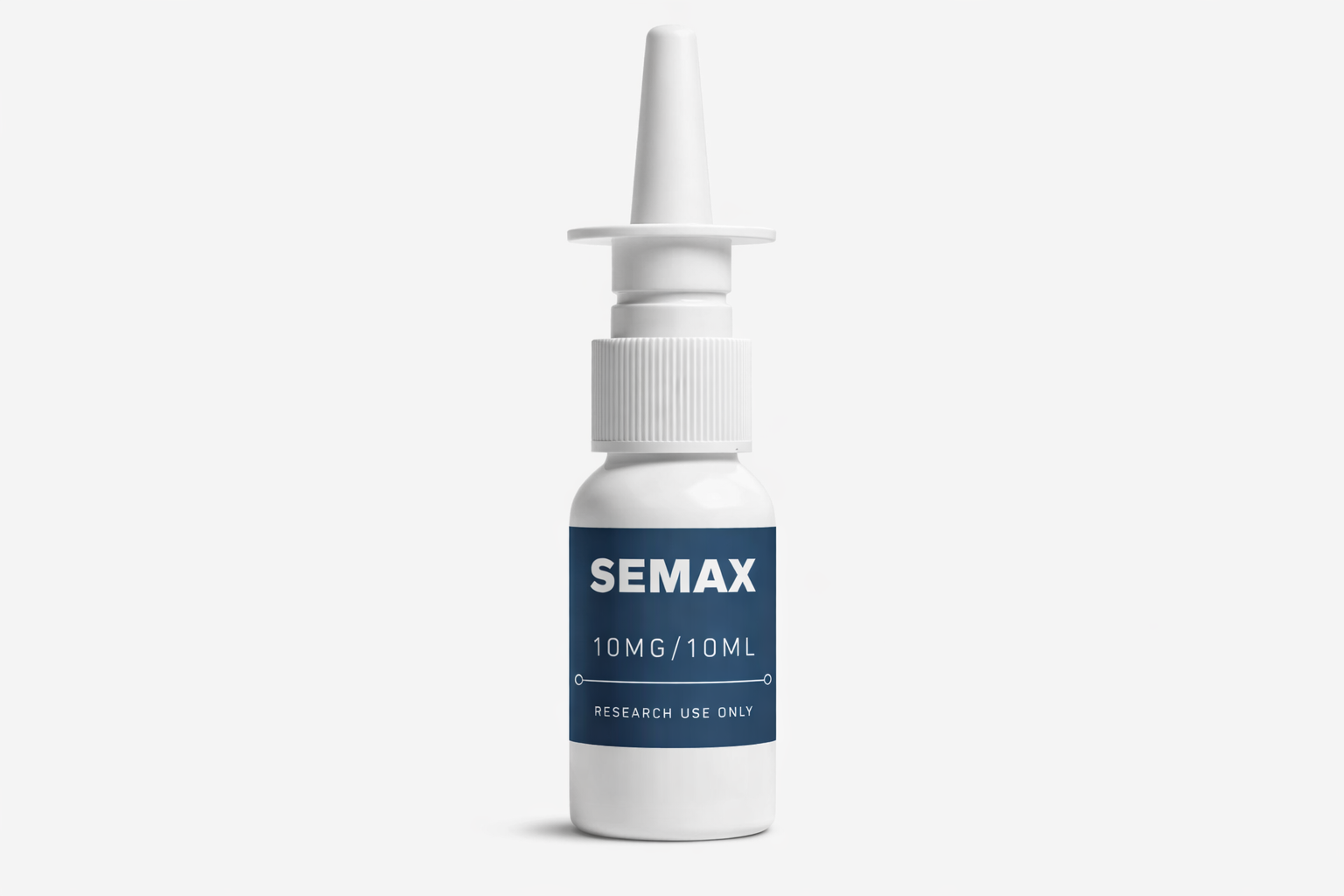
Semax Pre-Mixed Nasal Spray 10mg/10ml (Sharp Focus)
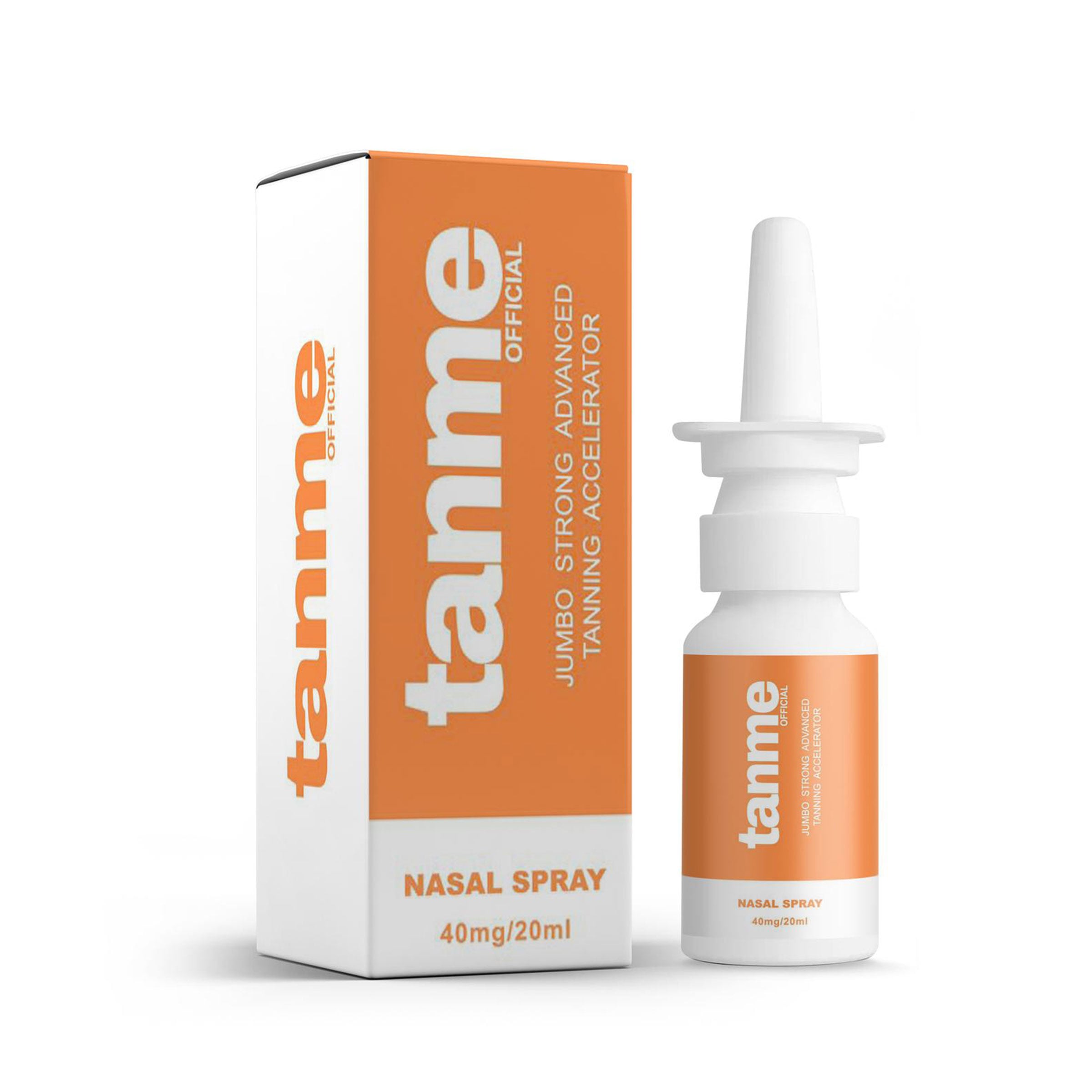
$ 74.85Quad Jumbo Nasal Spray
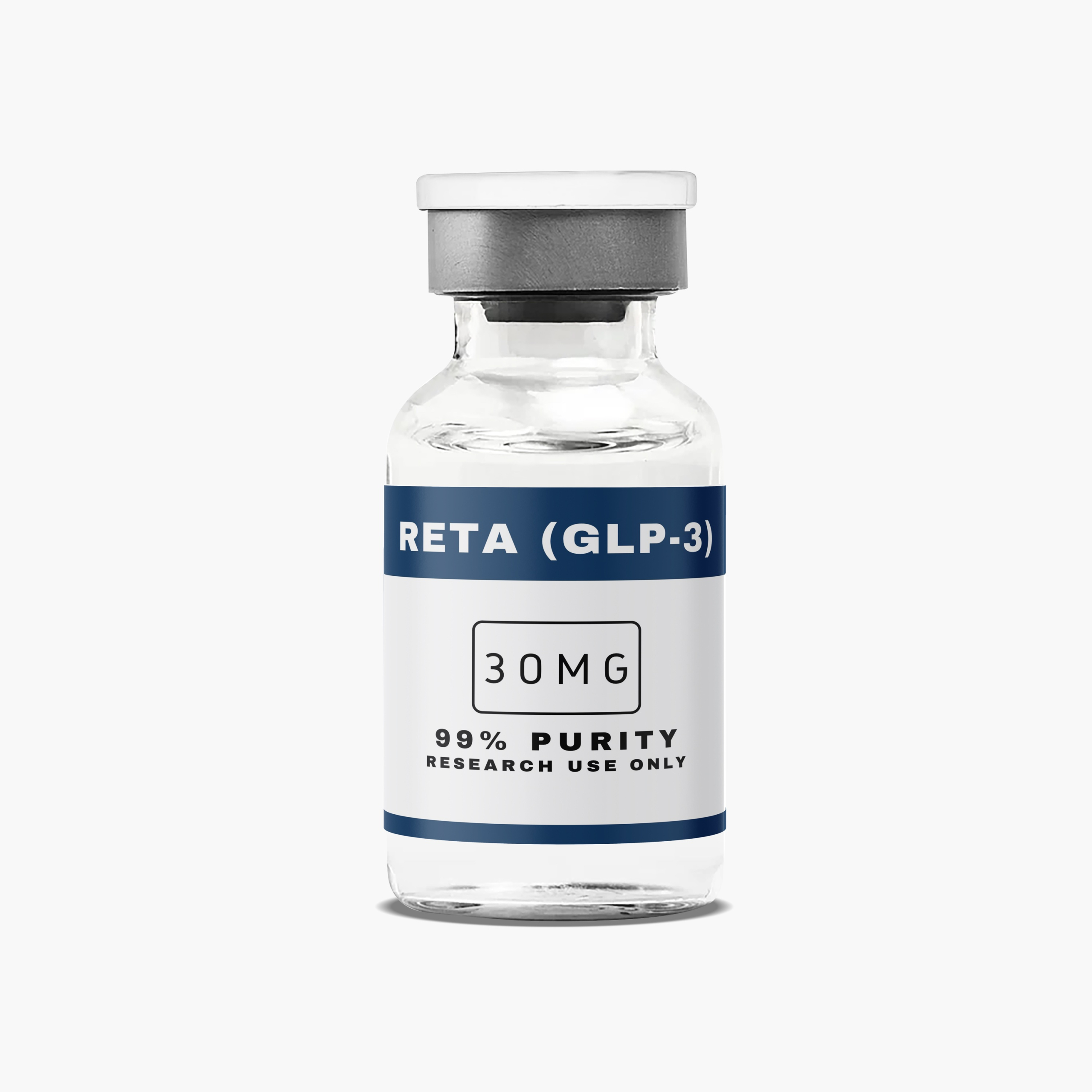
$ 89.83R3TA (GLP-3) – 30mg
$ 95.94