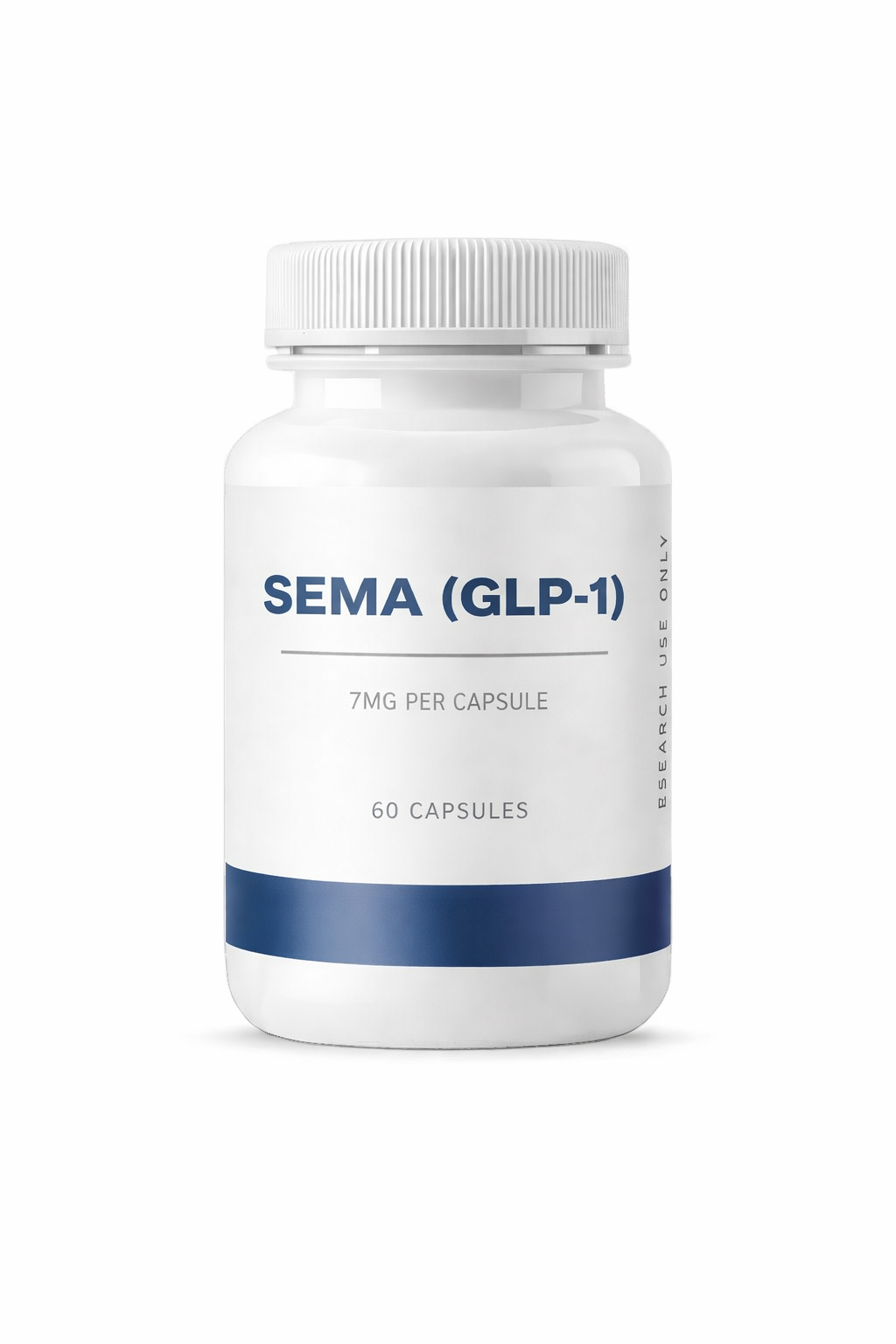
Description What is Oral Semaglutide? Semaglutide is a GLP-1 receptor agonist — a synthetic analogue of glucagon-like peptide-1 (GLP-1), a hormone produced in the gut that plays a central role in blood glucose regulation, appetite signalling, and energy homeostasis. This oral tablet formulation contains semaglutide designed for gastrointestinal delivery, using a co-absorption agent (SNAC) to protect the peptide from gastric acid degradation and enable absorption through the gastric mucosa. Oral delivery of GLP-1 receptor agonists was long considered pharmacologically unfeasible — peptides are typically degraded before reaching systemic circulation. Oral semaglutide represents one of the first large-scale demonstrations that meaningful peptide receptor agonism can be achieved via the oral route, making it a compound of significant interest to peptide pharmacology research beyond its primary metabolic applications. What Researchers Are Exploring Glycaemic Regulation GLP-1 receptor activation stimulates insulin secretion in a glucose-dependent manner and suppresses glucagon release from the pancreas. Published trials have examined semaglutide’s effects on fasting and postprandial glucose, HbA1c, and pancreatic beta-cell function across a range of metabolic states. Weight & Metabolic Outcomes The PIONEER trial series and subsequent research has investigated semaglutide’s effects on body weight, adiposity, energy intake, and gastric emptying in study populations with obesity and metabolic disorders. These trials also examined changes in lipid profiles, blood pressure, and waist circumference as secondary endpoints. Cardiovascular Research GLP-1 receptor agonists have been explored for effects on major adverse cardiovascular events (MACE), atherosclerotic markers, and arterial inflammation. Research suggests GLP-1 receptor activation may have cardioprotective properties that are independent of glycaemic control. Oral Peptide Bioavailability The SNAC-enabled absorption mechanism is of independent pharmacological interest. Oral semaglutide’s pharmacokinetics differ significantly from injectable formulations — bioavailability is lower and more variable, with food-state sensitivity playing a substantial role. These variables are themselves subjects of ongoing pharmaceutical research into non-injectable peptide delivery. Worth Noting Oral semaglutide’s pharmacokinetic profile is markedly different from subcutaneous formulations. Food intake at the time of dosing significantly reduces absorption — a variable well-documented in published trials and an important consideration for researchers designing comparative protocols. The oral format is of particular interest for studies examining GLP-1 agonism via the gastrointestinal route or for research into oral peptide delivery mechanics. For research use only.Not approved by the TGA or FDA.
Related products
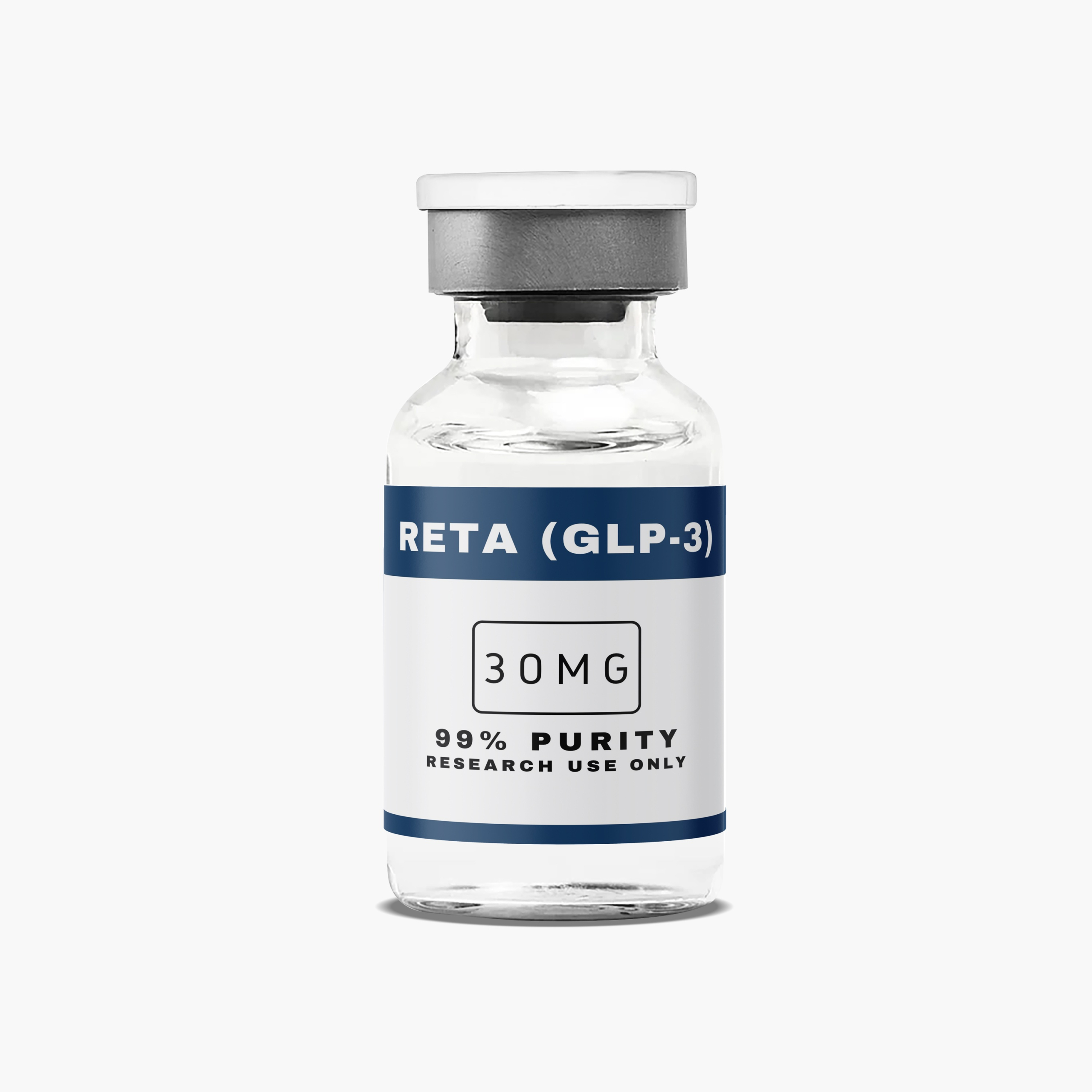
R3TA (GLP-3) – 30mg
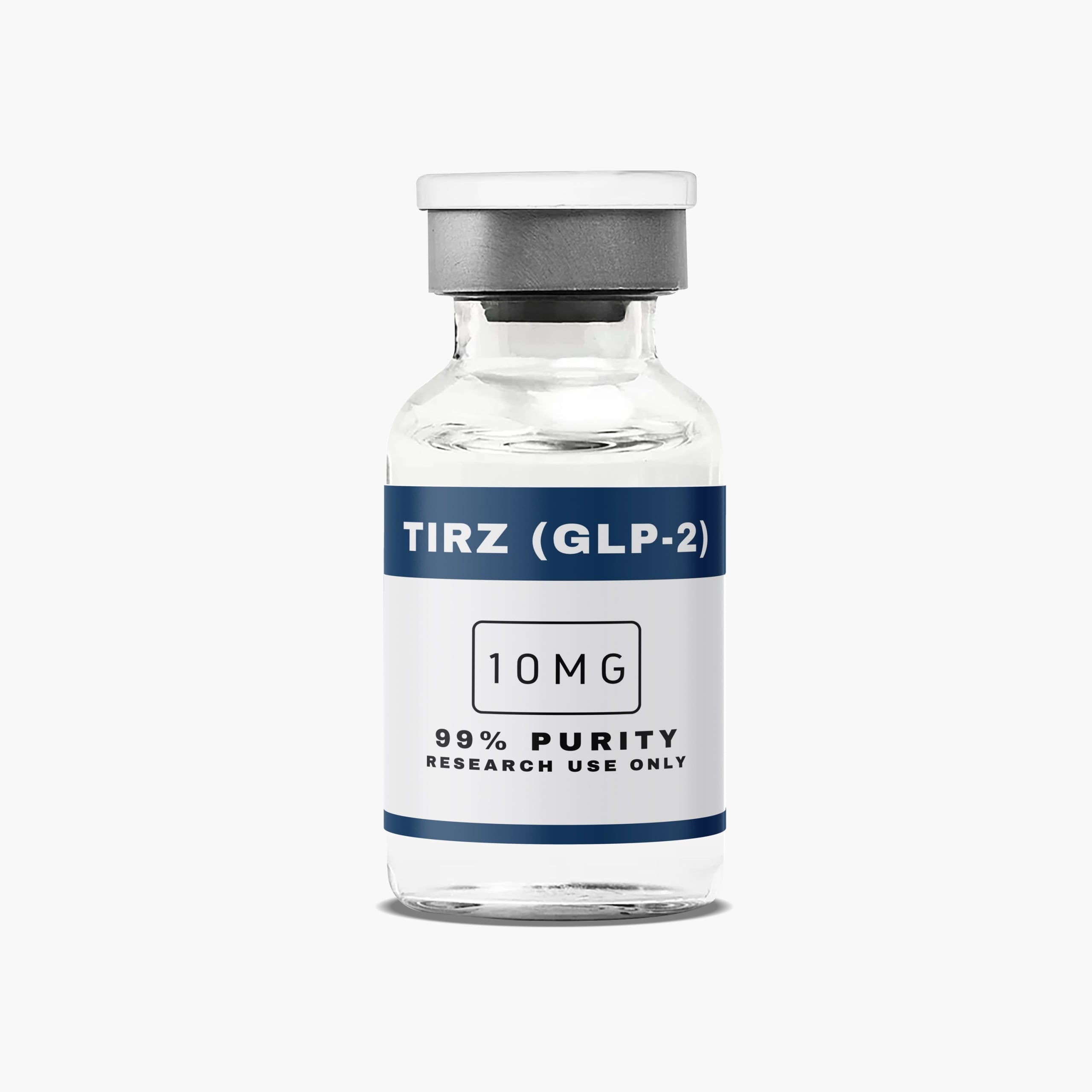
$ 95.94Tirz (GLP-2) – 10mg
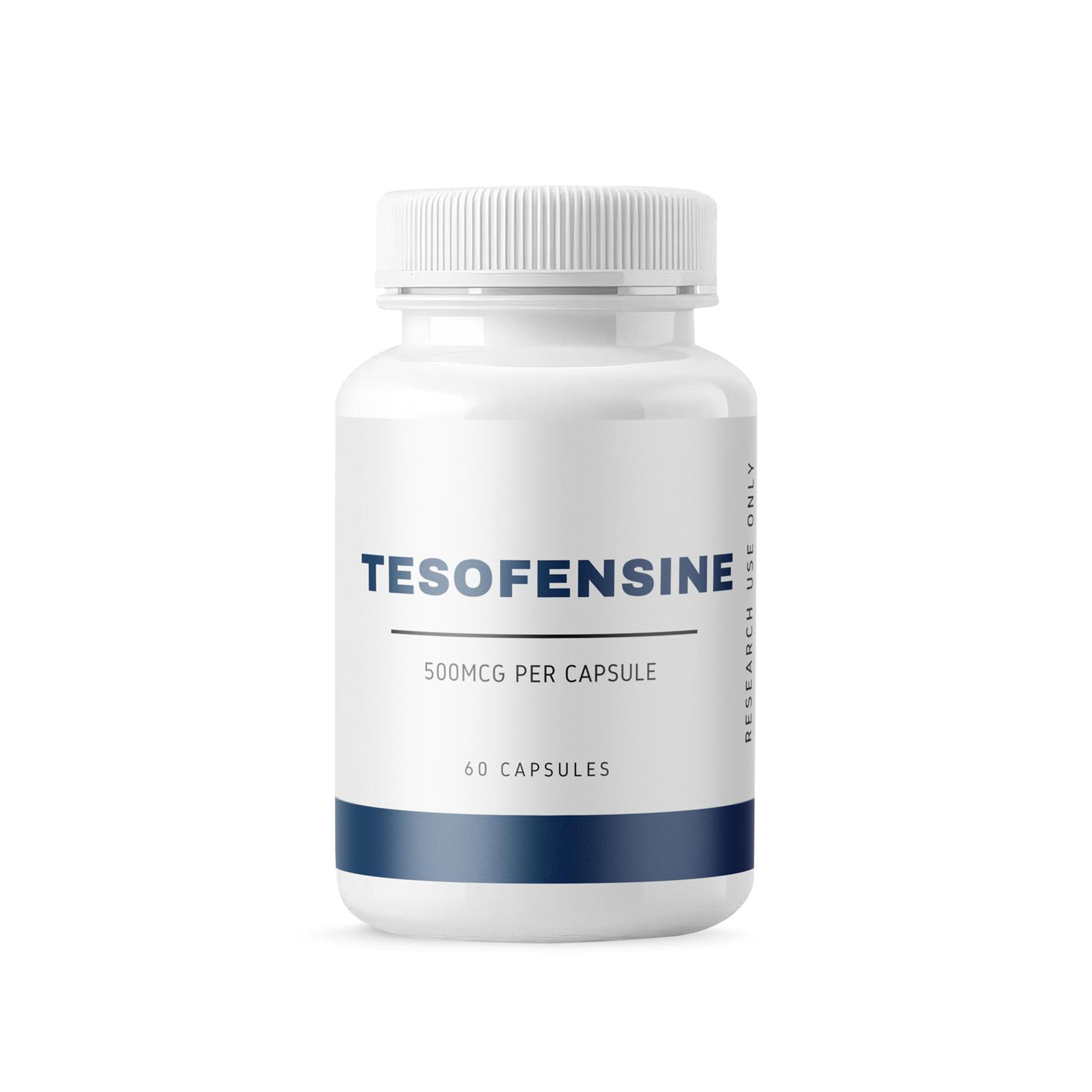
$ 93.57Tesofensine Oral Tablets - 500mcg
$ 98.24